
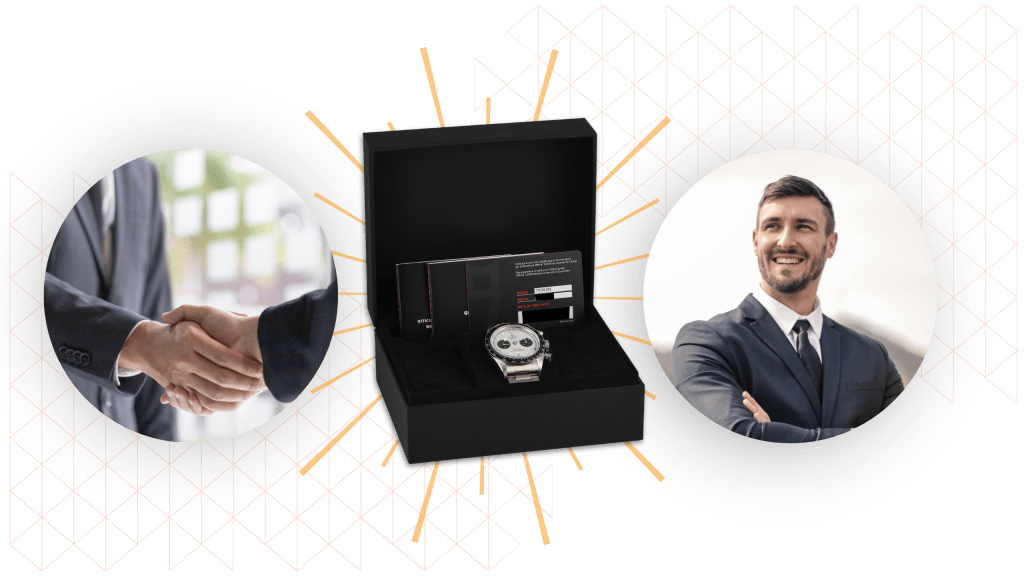
“You don’t own a Patek Philippe. You merely look after it for the next generation.”
This famous slogan is more than just marketing brilliance, it’s a testament to the importance of after-sales service in the world of luxury watches.
After-sales is not just about fixing what’s broken. It’s about building long-term trust, reinforcing brand values, and honoring the emotional investment that comes with owning a timepiece worth thousands, sometimes millions. From repairs to documentation, it’s where brand promises are truly tested.
The Traditional Way: How After-Sales Worked in the Past

In the 1980s and 1990s, luxury after-sales was often handled exclusively by the manufacturer. Service centers were centralized, and turnaround times could easily stretch into several months.
Watch owners had little visibility into the process.
Documentation was manual, communication was slow, and the system relied heavily on brand prestige rather than transparency.
Back then, service consistency was a challenge. According to a 1995 survey by the Swiss Watch Industry Federation, only 60% of customers said they were “fully satisfied” with after-sales support. Many independent retailers operated without direct access to brand-certified service systems.
It was a time when buying a luxury watch meant crossing your fingers when sending it for servicing.
The Customer Is Everything: The Emotional Value of a Watch

Today’s luxury watch buyers are informed, passionate, and deeply engaged. They’re not just buying a product, they’re investing in heritage, precision, and personal legacy.
For collectors and enthusiasts, the purchase is often tied to emotional milestones.
According to McKinsey’s “State of Fashion Watches” 2022 report, over 70% of watch buyers say that emotional connection was a major factor in their purchase.
A quote from collector and writer Jack Forster summarizes it perfectly:
“A great watch doesn’t just tell time, it tells your story.”
With that mindset, after-sales becomes part of the ownership journey. Buyers expect clarity, speed, care, and above all, a sense that the brand values their timepiece as much as they do.
Building Brand Loyalty Through After-Sales

Brand loyalty in the luxury watch world is built not just through beautiful watches, but through consistent care and communication.
A Bain & Company study shows that a loyal customer in the luxury segment is up to 8x more valuable than a first-time buyer over a 10-year period.
Key drivers of brand loyalty include:
- Transparency during service
- Consistent communication
- Ease of access to documentation and history
- Proactive care (like reminders for servicing or updates)
Brands like Rolex and Omega have invested in lifetime service guarantees, extended warranties, and global service centers, but loyalty is won or lost in the moments after the sale.
Modern After-Sales: Where the Industry Stands Now
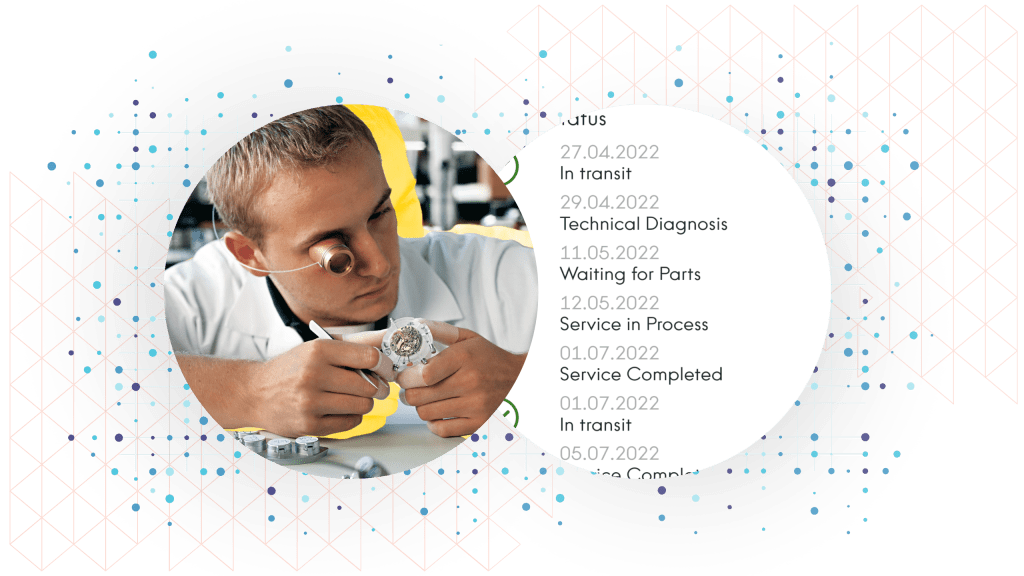
Today, the landscape has dramatically improved. Leading watch houses offer:
- Online service tracking (like Omega’s repair tracker)
- Certified service centers worldwide
- A registration for a digital warranty
- Extended warranty periods (up to 8 years for brands like Breitling)
But here’s the truth: even the most advanced after-sales system falls short if the customer isn’t involved.
A 2023 Deloitte study on luxury buyers notes that 58% of customers feel disconnected after the point of sale, especially when it comes to service and documentation.
Where After-Sales Can Still Improve: A Case for Ventrace
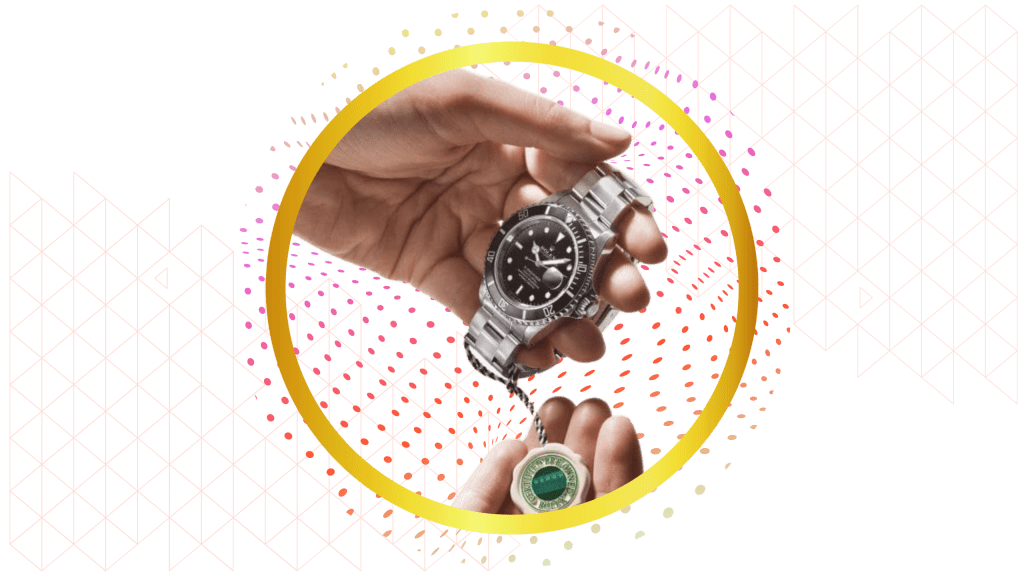
Many after-sales journeys lack one crucial element: a digital bridge between the brand and the owner.
That’s where a platform like Ventrace makes a difference:
- It centralizes service history for the owner in a single watch passport
- Provides a live, shareable digital certificate for each watch
- Increases trust and transparency in secondary sales
- Empowers both brands and retailers to stay connected post-sale
Even brands with excellent service workflows benefit when customers are engaged. Ventrace ensures the buyer remains part of the watch’s journey, even after it leaves the boutique.
The Future of After-Sales in Watches
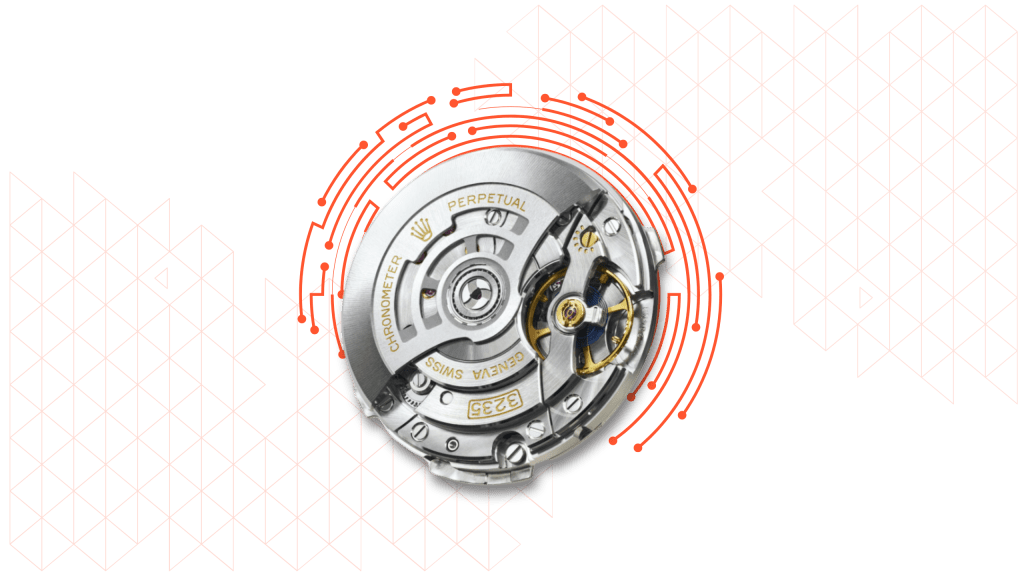
The luxury watch industry has come a long way. Brands are more service-oriented than ever, and digital tools are finally entering the scene.
But to reach its full potential, after-sales must evolve from a reactive service to a proactive experience.
The good news? That future is already unfolding.
As systems like Ventrace become more widespread, we’ll see a more connected, confident, and loyal collector base, and a watch industry that’s as timeless in service as it is in style.
Sources
- McKinsey & Company, State of Fashion Watches 2022
- Deloitte, Global Powers of Luxury Goods 2023
- Bain & Company, Luxury Goods Worldwide Market Study
- Federation of the Swiss Watch Industry FH Archives
 The Ventrace Blog